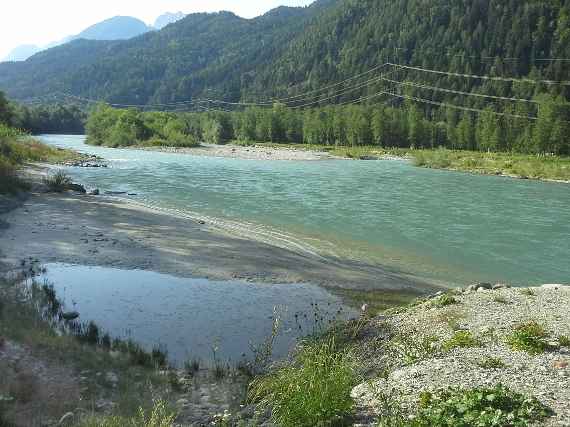
Many river systems either suffer from a sediment deficit – which can lead, for example, to undesirable deepening of the riverbed – or from a sediment surplus, accompanied by sedimentation and a deterioration in flood protection. This imbalance between surplus and deficit can vary several times along the length of a river. This project aims to develop methods that lead to a long-term, dynamic equilibrium in river systems, thereby safeguarding existing uses and ensuring a functioning aquatic ecosystem. The main focus is on understanding the system in terms of sediment transport and the impact of measures on the overall system of a catchment area.
The primary focus lies on the practical development of types of measures at selected pilot water bodies. This will be based on a draft guide to sediment management, which will incorporate the current state of knowledge at both national and international levels. Depending on how the project progresses – and based on the findings – the project may also result in the development of further practical standards (directives) and recommendations regarding, for example, necessary basic principles, legal adjustments or funding opportunities.
Project objectives:
- Minimising adverse effects caused by disturbances to the sediment balance
- River-friendly sediment management (pilot water bodies)
- Understanding the system
- Developing types of measures
- Sediment management guidelines (long-term objective)
The project is being carried out in cooperation with the water management authorities of the federal states, the Ministry and an engineering company. In addition to carrying out specific parts of the work, our institute is also represented on the steering committee for the entire project.
Client: Federal Ministry of Agriculture and Forestry, Climate and Environmental Protection, Regions and Water Management