-
© BAW-IKT / Murer zoom gallery -
© BAW-IKT / Wagenhofer zoom gallery
Overview
Project processing:
Anna Zeiser, Sebastian Rath, Thomas Weninger
Client and project partner:
Federal Secondary College for Horticulture Schönbrunn (HBLFA)
Province of Styria
Vienna City Council (MA22 and MA42)
3:0 Landscape Architecture
Association LandSchafftWasser
-
© BAW-IKT / Murer zoom gallery -
© BAW-IKT / Murer zoom gallery
Brief Description:
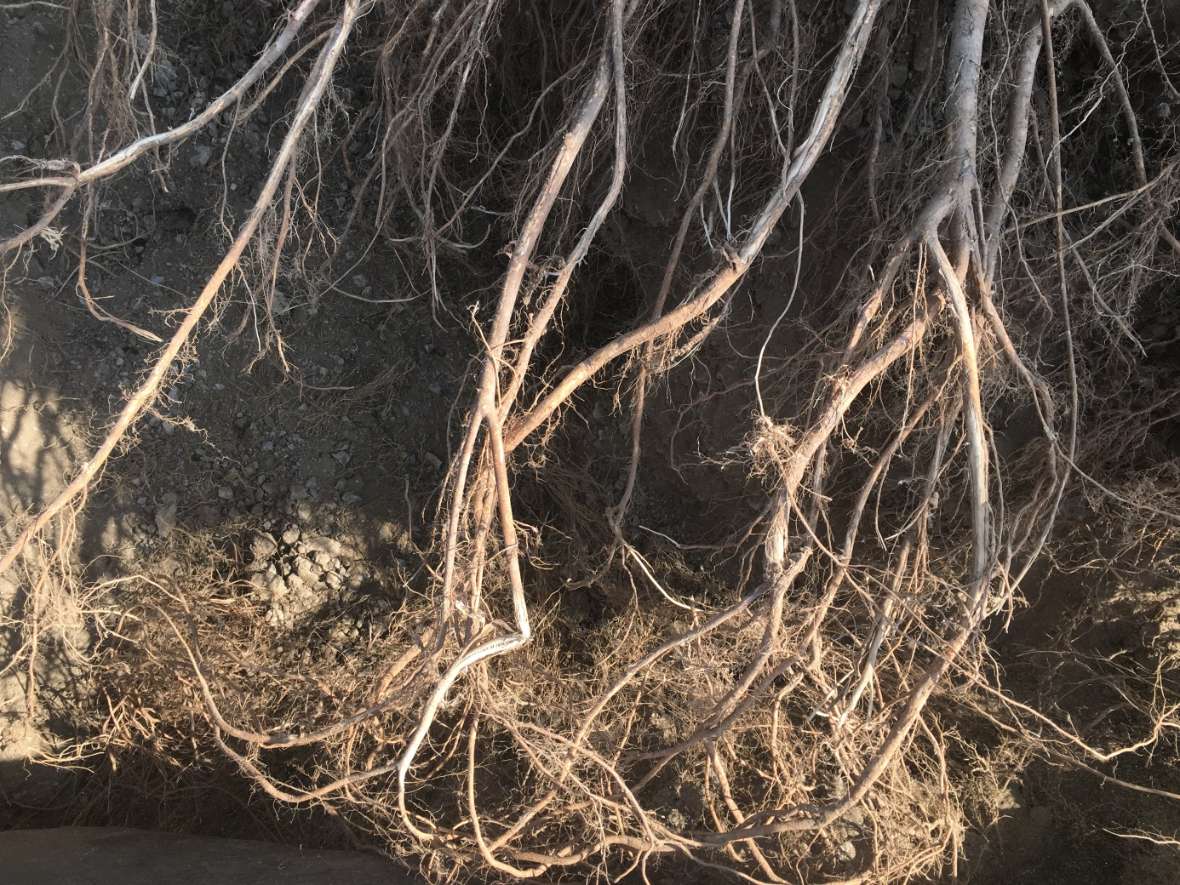
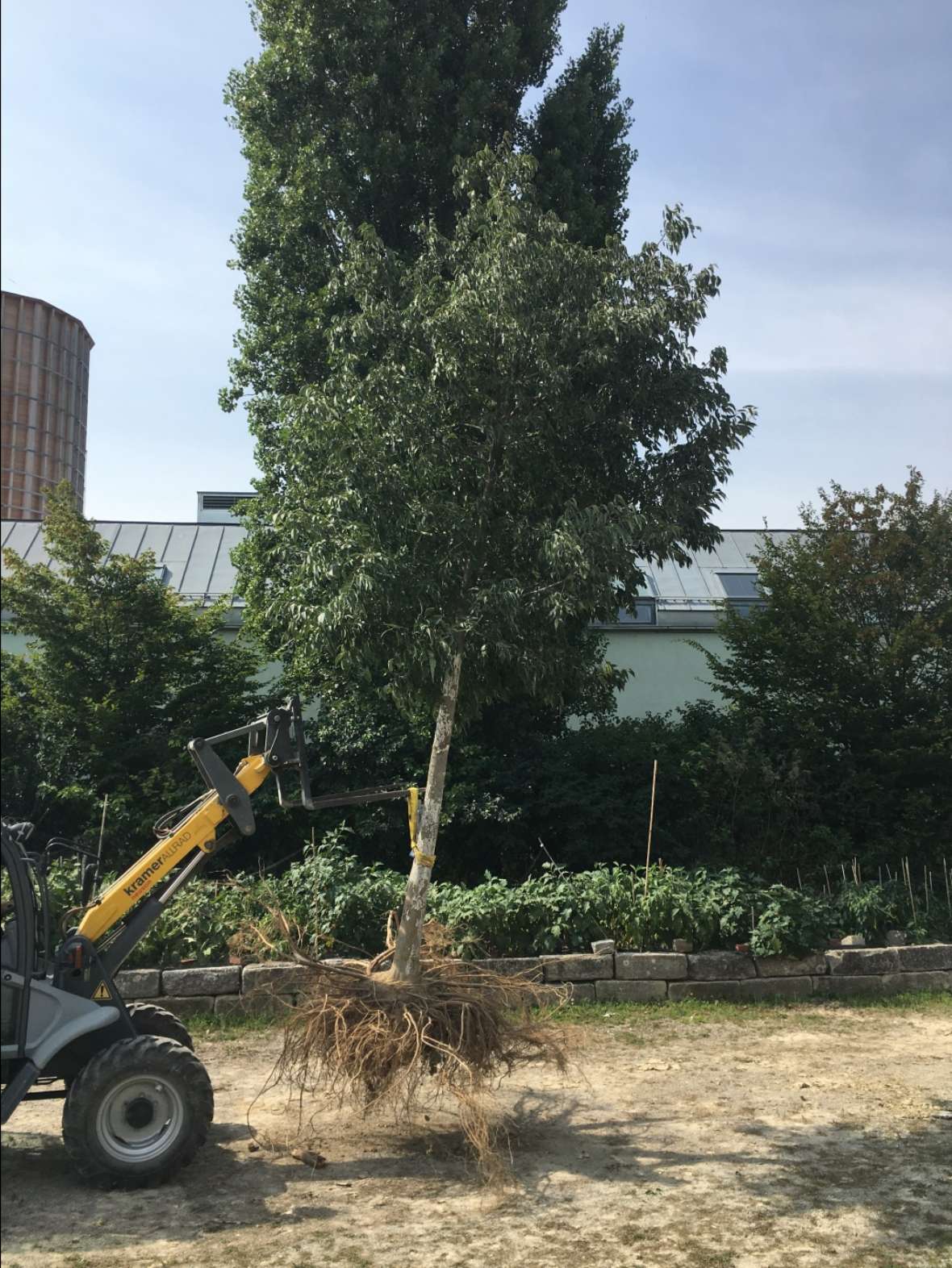
Within the framework project MuFuWu, the hydrological functionality of various blue-green infrastructure systems is being evaluated at several long-term monitoring facilities. The project aims to quantify and improve the retention and evaporation performance of blue-green infrastructure under the specific site conditions of the different installations. A so-called structural or "sponge city" substrate is constructed as a rootable and retention-capable subbase and tested for its suitability as a root zone (tree location and water retention space). Together with tree and filter substrates, this creates multifunctional tree locations.
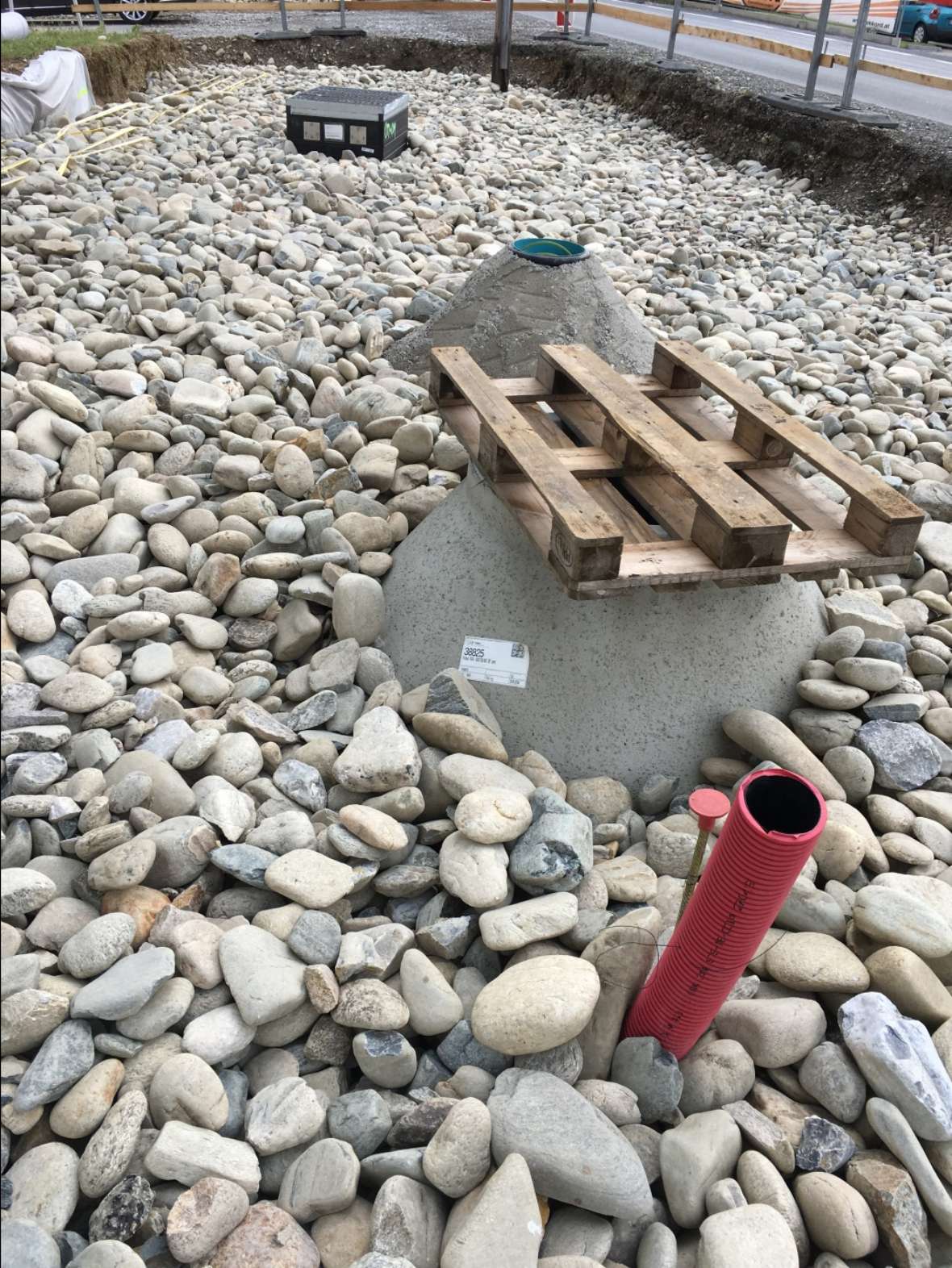
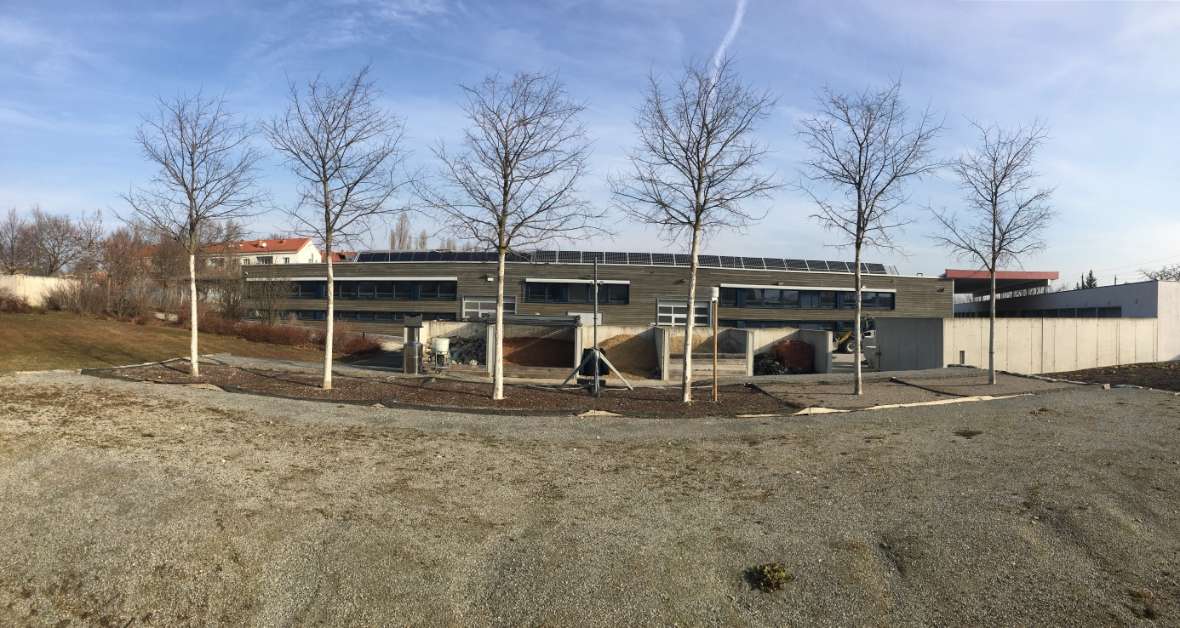
The project’s activities cover several test sites in Graz (Leonhardgürtel, Gradnerstrasse), Vienna (Jägerhausgasse, Seestadt), and Lower Austria (Wolkersdorf, Eggenburg). In Graz, field trials with multiple tree locations have been set up along a state road with pedestrian and bicycle paths, as well as in an inner-city residential street (see also: Pilotprojekt FFG MuFuWu Leonhardgürtel). In Vienna, tree lysimeters equipped with comprehensive measuring instruments monitor the entire water cycle (Baumlysimeter Jägerhausgasse), and monitoring facilities are operated at various locations in the new district Seestadt Aspern.
The focus of the evaluation and development work is on the different used substrates, which are crucial for hydrological functionality. The project examines not only the water balance and the quality of the seepage water but also the vitality and development of the tree populations, as well as the effects of the trees and various surface coverings on the energy balance and the microclimate in the immediate vicinity.